place PARTNERS
-
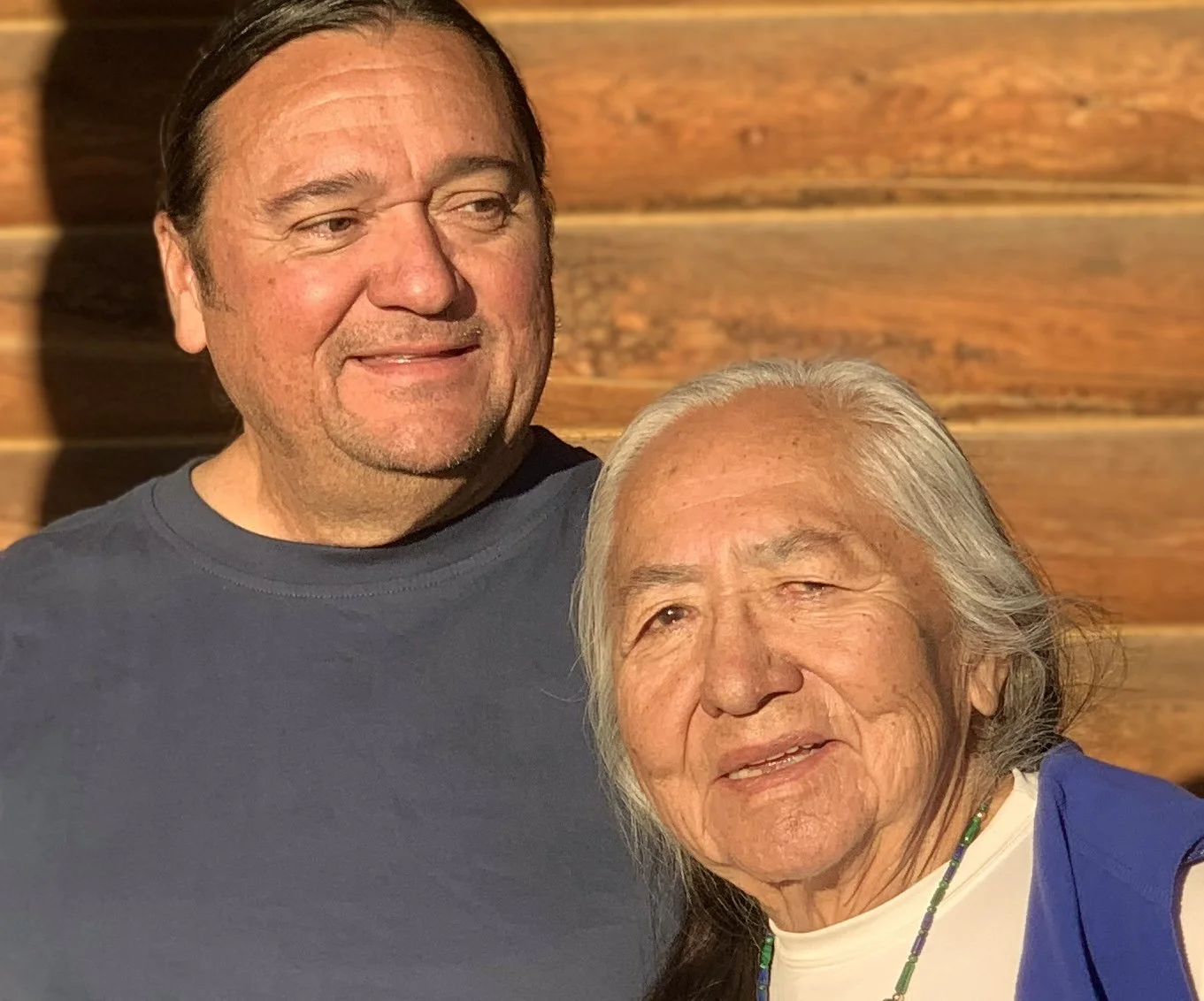
Delaine and Rick Spilsbury
Delaine and Rick Spilsbury are respected members of the Ely Shoshone Tribe whose lives and work are deeply rooted in the culture, history, and landscapes of eastern Nevada.
Delaine Spilsbury is an Ely Shoshone elder, cultural advocate, and businesswoman whose decades-long efforts have focused on recognition, education, and stewardship of Indigenous history in the Great Basin. She has worked extensively with the Nevada Commission on Tourism to promote eastern Nevada while advancing visibility for Native history and cultural presence. Delaine serves on the board of the Great Basin Heritage Area Partnership, representing tribal perspectives in regional heritage initiatives that connect cultural memory, landscape interpretation, and community vitality. She has also been closely involved in advocacy and public education related to Bahsahwahbee (“Sacred Water Valley”), helping sustain awareness of its historical and spiritual significance.
Rick Spilsbury is a videographer, writer, and community storyteller from McGill, Nevada. Through blogging, documentary work, and digital media, he shares Indigenous perspectives grounded in lived experience and ancestral connection to place. His work reflects a commitment to cultural continuity, truth-telling, and respectful representation of Newe lands and history.
Together, Delaine and Rick bring to the VAST Project a deep commitment to place-based storytelling and Indigenous cultural continuity, ensuring that interpretation of the region’s skies and landscapes remains grounded in the voices and histories of the people who have long called the Great Basin home.
-
DR. DAVID CHARLET
Dr. David Charlet is a botanist and Great Basin ecologist whose work has focused for decades on the plant communities, hydrology, and ecological history of eastern Nevada. A longtime faculty member at the College of Southern Nevada, he is widely recognized for his research on groundwater-dependent ecosystems, desert springs, and the unique flora of Spring Valley and the surrounding ranges.
Dr. Charlet has conducted extensive field surveys throughout White Pine County, including ecological documentation related to the proposed Bahsahwahbee National Monument. His work combines rigorous botanical science with careful attention to landscape history, water systems, and long-term environmental change. He is particularly known for clarifying how groundwater withdrawal, climate variability, and land use practices affect native grasses, wetlands, and the culturally significant swamp cedar groves of the Great Basin.
As an advisor to the VAST Project, Dr. Charlet brings deep place-based knowledge of the White Pine landscape. His perspective grounds the Landscape Observatory in ecological reality, ensuring that scientific interpretation of the region’s skies is paired with equal attention to its soils, water, plants, and living systems.
-
DR. SCOTTY STRACHAN
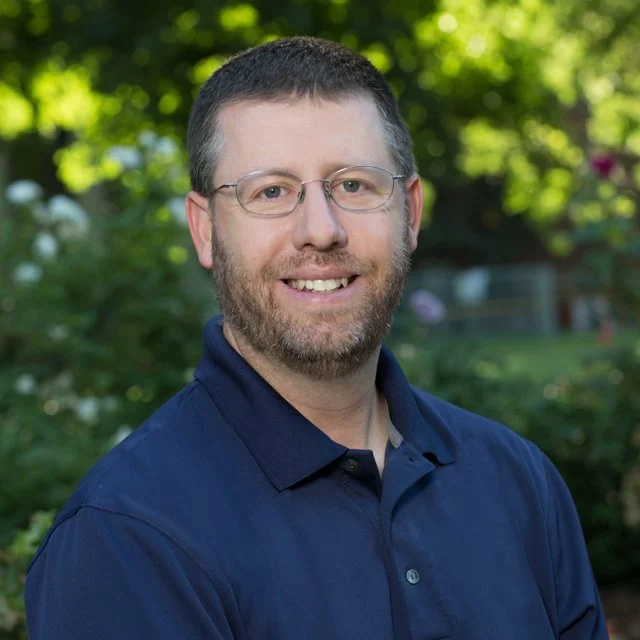
As the Principal Research Engineer for the Nevada System of Higher Education (NSHE), Dr. Scotty Strathan specializes in strategic planning, management, and end-to-end application of technology to improve and accelerate science-driven education across Nevada. His priorities include research network services, research data acquisition & management, and growing an effective Research IT culture in Nevada.
Dr. Strachan is also a faculty leader in cyberinfrastructure and high-performance computing at the University of Nevada, Reno and a co-principal investigator on Nevada’s NSF EPSCoR Research Infrastructure Improvement (RII) Track-1 project, Harnessing the Data Revolution for Fire Science, funded by the National Science Foundation. His work focuses on building the digital backbone that enables large-scale environmental research—integrating data systems, advanced computing, sensor networks, and collaborative research platforms across institutions statewide.
Dr. Strachan’s expertise lies in designing and stewarding the cyberinfrastructure that allows complex, data-intensive science to operate effectively in rural and distributed landscapes. He works at the intersection of computing, environmental systems, and public research institutions, helping position Nevada to compete nationally in emerging data-driven fields.
As an advisor to the VAST Project, Dr. Strachan provides guidance on digital connectivity, research integration, and future-ready infrastructure. His perspective helps ensure that the VAST Theater is not only a place of public inspiration, but also a technologically grounded node within Nevada’s broader scientific ecosystem.
-
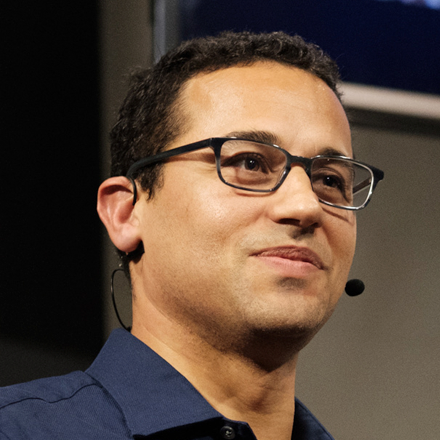
Dr. Franck Marchis
Dr. Franck Marchis is a senior astronomer at the SETI Institute, where he serves as Director of Citizen Science. He is also Chief Science Officer and co-founder of Unistellar, and co-founder and CEO of SkyMapper. His career bridges frontier astronomical research, advanced instrumentation, and global public participation in science.
After earning his Ph.D. from the University of Toulouse in 2000, Dr. Marchis moved to the United States to pursue research in planetary systems and high-resolution imaging. His work has been published in Nature, Science, and other leading journals, and includes landmark discoveries such as the first known triple-asteroid system (2005), the binary Trojan asteroid Patroclus (2006), and the direct imaging of a Jupiter-like exoplanet (2015). He has also contributed significantly to advances in adaptive optics for 8–10 meter class ground-based telescopes, enabling sharper and more detailed views of distant objects.
In recent years, Dr. Marchis has focused on expanding citizen science through networks of small, connected telescopes. By integrating digital platforms, distributed observers, and professional research protocols, he has helped create new models in which amateur astronomers contribute meaningfully to peer-reviewed discovery.
As an advisor to the VAST Project, Dr. Marchis brings both deep scientific expertise and a forward-looking vision for participatory astronomy. His experience connecting cutting-edge research with distributed public engagement supports VAST’s ambition to serve as both a celestial hall and a platform for shared exploration.
-
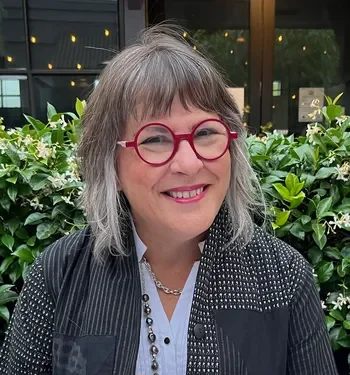
Dr. Linda Shore
Dr. Linda Shore is an astronomy educator and science leader with decades of experience advancing public engagement in space science. A former senior leader at the Exploratorium, she later served as Executive Director of Pacific Astronomy, where she expanded regional astronomy programming, community partnerships, and educator training initiatives.
As Executive Director, Dr. Shore led efforts to strengthen astronomy education across formal and informal settings—supporting teachers, coordinating public observing programs, and building networks that connected scientists, amateur astronomers, and community organizations. Her work emphasized making astronomical phenomena accessible, experiential, and socially connected, ensuring that telescope nights, classroom programs, and workshops were grounded in both scientific rigor and welcoming engagement.
Dr. Shore has long championed the idea that astronomy can serve as a gateway science—inviting curiosity while cultivating observational skills, critical thinking, and a sense of shared perspective. As an advisor to the VAST Project, she brings deep expertise in astronomy education strategy, program development, and community-based science engagement. Her guidance supports VAST’s ambition to connect celestial discovery with meaningful, place-based public experience.
-
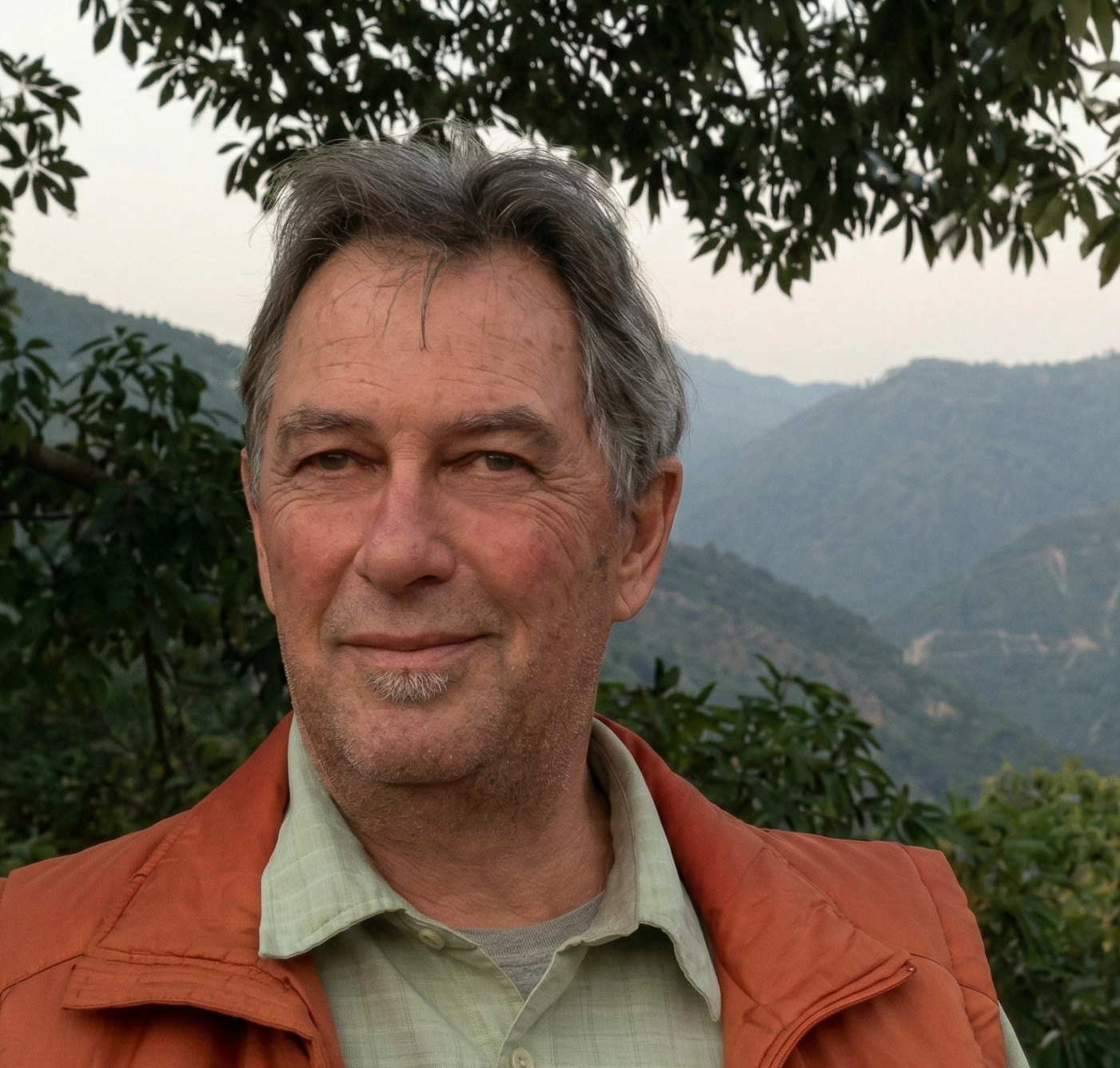
David Barker
David Barker is a graphic designer specializing in museum graphics and exhibition design, with additional experience in posters, teaching materials, marketing campaigns, and publications. After more than 30 years as a Senior Designer and Art Director at the Exploratorium, he founded his own studio, David Barker Design.
Originally trained in physics at the University of California, San Diego, David later earned a studio art degree from the University of California, Santa Barbara, blending scientific curiosity with visual communication. At the Exploratorium, he designed exhibits exploring perception and illusion, including Angel Columns and Talking Face-to-Vase, as well as other figure–ground investigations that remain in museums worldwide.
In addition to exhibition design, David led major visual communication initiatives for the Exploratorium—developing street banners, transit advertising, brochures, membership materials, and illustrating numerous issues of Exploring Magazine. He also helped conceive a partnership with the San Francisco Giants that brought science into the ballpark through demonstrations, media, and exhibits; the Exploratorium’s Science of Baseball website received awards for both content and design.
As an advisor to the VAST Project, David brings decades of experience translating complex ideas into clear, compelling visual systems that support public inquiry and engagement.